
When Your Life Falls Apart: How To Begin Spiritual Recovery After Failure

When Your Life Falls Apart
There are moments when life does not gently unravel. It collapses.
A marriage ends. A secret comes to light. A calling disappears. An addiction tightens its grip.
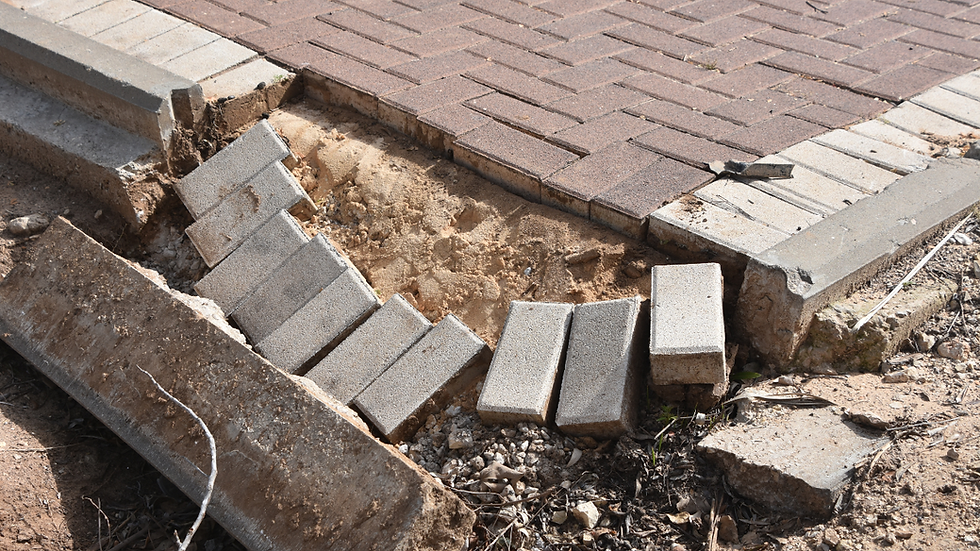
Faith itself begins to feel fragile. In those moments, many Christians quietly reach the same terrifying conclusion. I broke my life beyond repair. God must be finished with me.
That fear sits at the heart of spiritual recovery after failure. And it is exactly where this story begins.
Bruce knows that place well. He is a longtime Christian leader, author, and former seminary professor who spent decades immersed in Scripture, ministry, and theological training. By every outward measure, he was equipped for hardship. And yet, when his life began to fall apart, the unraveling cut deeper than knowledge could reach. What followed was not a tidy testimony, but a slow, painful collapse that exposed how fragile faith can feel when suffering lingers and God seems silent.
Bruce’s story matters because it reflects something many believers experience but rarely articulate. This is not a story about walking away from faith. It is about what happens when faith is wounded, when prayers feel unanswered, and when a person who loves God no longer knows how to trust Him. Along the way, we learn what spiritual recovery really looks like, how grace functions after failure, how to reengage Scripture when the heart feels numb, and how God rebuilds lives that seem beyond restoration.
When Everything Starts To Break
When Bruce’s world began to fall apart, he did what committed Christians are taught to do. He prayed more. He turned to Scripture. He tried to hold steady. But as circumstances worsened instead of improving, something shifted inside him. God felt distant. Prayer felt ineffective. Over time, discouragement hardened into resentment, and resentment quietly hollowed out hope.
Eventually, Bruce reached for something tangible to dull the fear and confusion. Alcohol became a substitute refuge. That choice did not relieve the pain. It multiplied it. Relationships fractured. Financial stability disappeared. Ministry doors closed. The life he had spent years building collapsed under the weight of untreated disappointment and misplaced coping.
What makes his story resonate is not the specifics of his failure, but the emotional logic behind it. Many believers know what it feels like to do the right spiritual things while internally unraveling. When God does not seem to intervene, false comforts begin to look reasonable. Work, substances, relationships, distraction, even religious activity itself can become substitutes for trust. None of them restore what is broken. They only postpone the reckoning.
Yet Scripture insists that brokenness is not the end of the story. Psalm 34 reminds us God is near to the brokenhearted, not repelled by them. The collapse, as devastating as it feels, often becomes the place where rebuilding finally begins.
Grace After You Have Blown It
Grace is easy to talk about in theory. It is far more difficult to experience when failure is personal, public, or repeated. Romans 8:1 declares that there is no condemnation for those in Christ. However shame has a way of speaking louder than theology. When you are standing in the aftermath of your own decisions, grace can feel abstract and inaccessible.
Bruce discovered that grace does not operate by erasing the past. Consequences remain. Some losses cannot be undone. Certain roles and opportunities do not return. But grace redeems rather than denies. It reframes failure without minimizing it. Instead of defining identity by the worst moment, grace anchors identity in Christ’s finished work.
True spiritual recovery required Bruce to stop hiding from his story and start owning it. Confession became essential, not as a ritual of self punishment, but as a doorway to freedom. Owning failure before God and trusted believers allowed grace to move from an idea to an experience. Over time, daily rhythms of Scripture, prayer, gratitude, and community retrained his heart to accept what his mind already knew. He was forgiven. He was still God’s child. He was not disqualified from belonging.
Grace, he learned, does not say that nothing happened. It says that what happened no longer has the authority to define the future.
Returning To God’s Word When Faith Feels Numb
One of the most disorienting parts of spiritual collapse is what happens to Scripture. Passages that once felt alive can suddenly feel hollow. Familiar verses lose their warmth. Opening the Bible can feel like opening an empty room.
Bruce experienced that numbness for more than a year. His knowledge of Scripture remained intact, but the emotional connection was gone. What brought renewal was not a sudden breakthrough, but a stubborn return to habit. He opened Scripture whether he felt inspired or not. He read slowly. He listened. He allowed the Word to work beneath the surface, trusting that transformation does not always announce itself.
This kind of return to Scripture is not driven by guilt. It is driven by oxygen. Just as the body needs steady breathing rather than occasional gasps, the soul needs consistent exposure to truth. Over time, the hardness of his heart began to soften. The heart followed where obedience had already gone.
Spiritual recovery rarely begins with passion. It begins with presence.
Facing Shame And Reentering Community
Believing God has forgiven you is one thing. Facing people who know your failure is another. Shame thrives in isolation and whispers that belonging is no longer possible. For Bruce, returning to church after public collapse felt intimidating and awkward. He knew he could not control what others thought, what they said, or how they interpreted his story.
What he could control was how he walked forward. Humility became a daily practice. Confession was handled wisely rather than recklessly. He learned to accept what could not be changed while choosing faithfulness in what could. Over time, the very places of shame became places of credibility. People in pain recognized someone who would not minimize their struggle or rush their healing.
Shame, when allowed to linger, keeps people from grace. When released, it becomes a bridge that allows others to step into the light.
Writing A New Chapter
Spiritual recovery does not mean reclaiming the old life exactly as it was. It means receiving a new one. 2 Corinthians 5:17 describes this as becoming a new creation, not because the past disappears, but because it no longer rules.
Bruce does not ignore his past. He remembers it clearly. It reminds him what happens when he relies on his own strength and substitutes control for trust. At the same time, he does not live inside it. God has woven even the darkest threads of his story into something useful, allowing him to walk alongside others with empathy rather than answers.
Today, his life looks different than he once imagined, yet deeply purposeful. Professional work, service within recovery communities, daily habits of gratitude and spiritual discipline, all of it forms a quieter but sturdier faith. The goal is not perfection. It is alignment. Not speed, but faithfulness.
Spiritual recovery always starts in the present. Not tomorrow. Not when circumstances improve. Today.
Your Story Is Not Over
If your life feels shattered, your faith fragile, and your future uncertain, hear this clearly. Failure is not final. Brokenness is not disqualifying. God does His most transformative work in places that feel beyond repair.
Spiritual recovery after failure is not about fixing yourself. It is about allowing God to rebuild you, piece by piece, in ways you could not have designed on your own. What you do today matters. And tomorrow, slowly but surely, you will be glad you began.
P.S. If you have a comment or prayer request, contact me here: or call me and leave a message at 1-800-811-2387. And be sure to join me tomorrow through Friday on our new podcast Spiritually Fit Today.


Comments